
Accelerating transducer simulation with Quanscient Allsolve
Rather than a single project, the biggest difference has been in our overall simulation workflow. Simulations run significantly faster than with our previous tools, allowing us to iterate much more efficiently.
Marine electronics
Following the discontinuation of the existing simulation environment, Furuno Electric needed a new simulation platform that could support increasingly detailed transducer simulations while addressing long computation times, scripting-heavy model creation, meshing limitations, and rising licensing costs.
Quanscient Allsolve enabled Furuno Electric to simplify model creation, improve collaboration, and gain greater flexibility through component-level mesh control. During its evaluation, the team estimated its overall workflow to be approximately 30% faster, while quick test runs became up to 10× faster, making design iterations more efficient. Close technical collaboration throughout the evaluation also helped the team adopt a new simulation methodology with confidence.
About Furuno Electric
Furuno Electric develops marine electronics for applications including scanning sonars and fish finders. The team is responsible for designing PZT and BLT transducers together with the mechanical components that support them.
The team works across both research and product development, using simulation as an important part of the engineering process. As simulation models became increasingly detailed, selecting the right simulation platform became essential for supporting both product development and ongoing research activities.
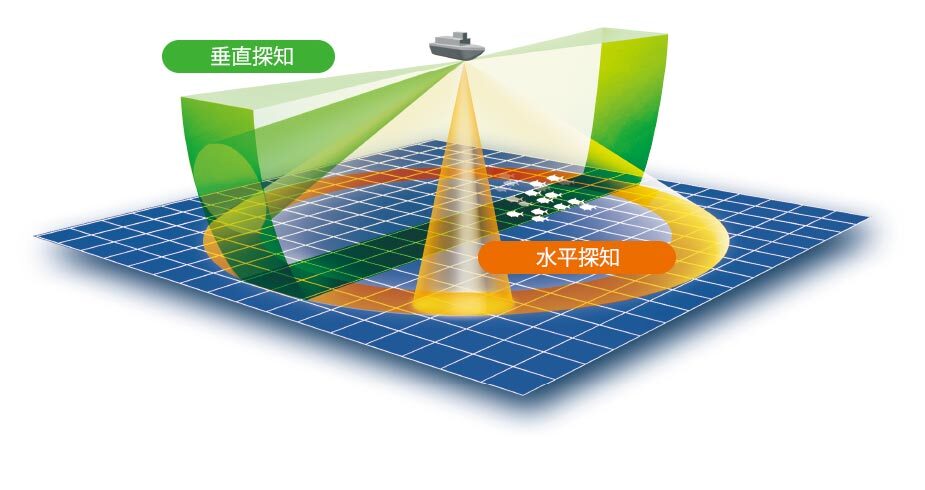
Challenges in simulation before Quanscient Allsolve
The need to evaluate new simulation software arose when the existing simulation environment was discontinued. At the same time, Furuno Electric saw the opportunity to address several limitations in its existing simulation workflow.
Simulation times had become increasingly long, slowing engineering work as models grew more complex. Creating finer meshes also became more difficult because of computational and memory limitations.
Building simulation models required extensive scripting through a command-based interface. While experienced users could work efficiently in that environment, it presented a significant learning curve for engineers who were new to simulation.
The team also faced practical limitations when expanding simulation usage. Adding more engineers required purchasing additional software licenses, making it increasingly expensive to scale simulation activities across the team.
Discovering and adopting Quanscient Allsolve
Following the discontinuation of the existing simulation environment, Furuno Electric began evaluating Quanscient Allsolve as an alternative simulation platform.
As part of the evaluation, the team explored how Allsolve's Harmonic Balance method compared with the transient simulation approach they had previously used.
Throughout this process, Furuno Electric also shared feedback on the software, and the Quanscient team worked closely with them to refine technical details and implement improvements based on the team's requests.
Initial impressions and first benefits
The first noticeable difference was how much easier it was to build simulation models.
Unlike the command-based software Furuno Electric had previously used, Allsolve provides a graphical interface that allows engineers to create models without relying on extensive scripting. This made the modeling process more intuitive and easier for engineers who were less familiar with script-based simulation tools.
As the team became familiar with the Harmonic Balance methodology, the simplicity of the modeling workflow gave the team a positive first impression.
One particularly significant improvement is the ability to perform quick test runs. Previously, we had to complete an entire simulation before evaluating the results. With Allsolve, test runs feel approximately ten times faster, making trial-and-error much more efficient during the design process.
Improving the simulation workflow
As Furuno Electric continued using Allsolve, the team began to see changes in its day-to-day simulation work.
One of the biggest improvements was simulation speed. Engineers could build and modify models more efficiently, and simulations ran significantly faster than with the team's previous tools. Many repetitive modeling tasks were also eliminated, making individual simulation tasks faster to complete than before.
The team also highlighted Allsolve's meshing capabilities. Instead of applying the same mesh settings throughout an entire model, engineers could define mesh sizes independently for each component. This made it possible to increase mesh resolution only where additional detail was required while keeping other parts of the model less computationally demanding.
Collaboration also became easier. Simulation models and results could be shared directly across the team, allowing engineers to review each other's work more efficiently. Previously, simulation output files had to be exchanged manually, making collaboration more time-consuming.
Together, these improvements made day-to-day engineering work more efficient.
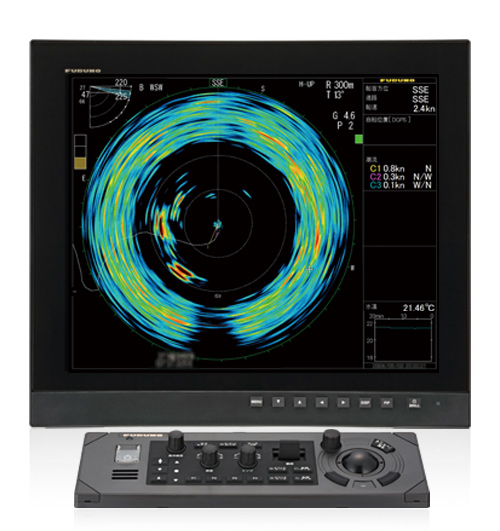
Quanscient Allsolve's impact on simulation performance
While simulation performance depends on the model being analyzed, Furuno Electric has already observed measurable improvements during its evaluation.
Based on the team's experience, the overall workflow feels approximately 30% faster than before.
The largest improvement has been in preliminary simulation runs. Previously, engineers had to complete a full simulation before reviewing the results. With Allsolve, quick test runs can be performed much earlier in the process and feel approximately ten times faster, allowing engineers to evaluate ideas and iterate more efficiently before committing to longer simulations.
Responsive customer support
Technical support has been an important part of Furuno Electric's evaluation of Allsolve.
Whenever technical questions arose, the Quanscient team worked closely with Furuno Electric to address them and explain the underlying simulation behavior rather than simply providing answers. This helped the engineering team better understand the software while continuing its evaluation.
The team also emphasized the responsiveness of the support process. Receiving feedback within one or two days represented a significant improvement over their previous experience with other simulation software vendors.
Because PZT and BLT simulation is a specialized field with relatively few commercial software providers, Furuno Electric considers continued access to this level of technical expertise an important advantage.
Recommendations
Based on its experience so far, Furuno Electric would recommend Allsolve to other engineering teams, particularly those that are new to simulation.
The software's graphical interface makes it much easier to begin creating simulation models than traditional command-based tools. Combined with faster simulation execution, this allows engineers to perform trial-and-error more efficiently during product development.
The team also considers the combination of responsive technical support and practical expertise in ultrasonic transducer simulation to be an important differentiator compared with other software vendors.
Future plans
Today, Furuno Electric primarily uses Allsolve for PZT and BLT simulations. As the evaluation continues, the company plans to expand its use of the software to include the mechanical aspects of its products and, ultimately, larger portions of the complete sonar system. Doing so would reduce the need to switch between multiple specialized simulation tools during development.
The team is looking forward to the further expansion of features in future updates. As Allsolve continues to evolve, the continued development of PZT and BLT capabilities will remain valuable, while future enhancements will support an even wider range of simulation work and further streamline resource management for the team.
Conclusion
For Furuno Electric, Quanscient Allsolve has provided a practical alternative following the discontinuation of the existing simulation environment. Easier model creation, more flexible meshing, improved collaboration, faster simulation workflows, and responsive technical support have contributed to a positive evaluation experience.
They see clear potential for expanding Allsolve's role in future sonar system development.
Success stories with engineers working on the most demanding engineering challenges

Key tool for us, especially when dealing with complex 3D multiphysics simulations.

Simulation time down from 3 weeks to 8 hours with increased accuracy.

We were able to test different parameters to find the working design, saving three months in product development time.

Request a live demo
In the live demo, we'll
- Explore use cases and workflow integration
- Discuss pricing and value
- Discover features and benefits
We'll get back to you within 1 business day.